Now live across the Southern Plains — Amarillo · OKC · Fort Worth, and growing lane by lane

Load Board
How to Compare Load Boards for Livestock Haulers
5 minutes read
Livestock Way
The best load boards for livestock haulers do more than list a pickup city, a delivery city and a rate. They help you decide whether the load fits your trailer, your lane, your animal-handling experience and your operating costs before you spend time calling on it. For cattle and horse haulers, that comparison has to include details a dry van or flatbed board may never ask for, such as species, loading setup, health paperwork, weather timing, shrink risk and whether you can talk directly to the shipper.
A good comparison also keeps you from chasing volume that does not fit your business. A board with thousands of freight posts can still be a poor choice if most loads are boxed freight, brokered loads, or lanes that leave your stock trailer empty on the return. The right board should save time, reduce guesswork and help you protect both your margin and the animals in the trailer.
Why Load Boards for Livestock Need a Different Scorecard
Most general freight boards are built around equipment type, lane and rate. That works for pallets, machinery and packaged goods, but live animals add more variables. Cattle and horses need careful scheduling, suitable trailers, safe loading facilities and clear communication between the person shipping and the person hauling.
When you compare load boards for livestock, start with the reality that the cheapest load is not always the best load. A strong rate can disappear fast if the pickup pens are slow, the destination is far from your next lane, or the board does not show enough information to confirm the fit before you call.
This is also why livestock-specific boards deserve a separate look from general freight sites. If you are weighing that difference for cattle work, Livestock Way has a deeper comparison of livestock load boards versus freight boards for cattle hauling loads that can help you decide when a broad freight board is useful and when it just adds noise.
Start With Your Lane, Species and Rig
The first filter should be operational fit. A load board is only valuable if it regularly shows freight, or livestock in this case, that matches where you run and what you pull. For a Southern Plains hauler, loads around Amarillo, Oklahoma City, Fort Worth and nearby cattle country may be more valuable than a national board full of distant posts.
A smaller set of load boards for livestock can outperform a larger general board if the loads match your trailer and your regular lanes. Look at the last week or two of available posts if the board allows browsing, then ask whether the lanes would actually work with your hours, fuel stops, washout access and return options.
Your trailer matters just as much as your location. A possum-belly pot, ground-load stock trailer, decker trailer and horse trailer are not interchangeable. If a board cannot help you separate loads by equipment fit, you will waste calls and may miss loads you could have handled well. If you are still matching trailer type to the work you want, this guide to choosing between a possum-belly, decker or stock trailer is a useful companion.
What to Check Before You Judge Volume
Raw load count is easy to overvalue. Fifty loads that require the wrong trailer, cross states you do not run, or need availability you do not have are worth less than five good-fit loads in your lane.
Use this quick screen before comparing posted volume:
Does the board separate cattle, horses and other livestock clearly?
Can you tell whether the load fits your trailer before calling?
Are pickup and delivery locations specific enough to estimate deadhead?
Are rates visible before you commit time to the lead?
Can you contact the shipper directly when details matter?
Compare the Money Behind the Posted Rate
The posted rate is only the starting point. Livestock hauling costs can change fast because of deadhead, load time, route choice, washout needs, tolls, layovers and weather delays. A board that shows an upfront rate gives you a better chance to calculate margin before you call, but you still need to compare the full economics.
Good load boards for livestock make it easier to separate attractive rates from loads that only look good at first glance. For example, a short cattle haul with long deadhead and a slow loadout may pay worse than a longer haul that lands near your next pickup. The board should give you enough detail to do that math quickly.
Comparison point | Why it matters | What to look for |
|---|---|---|
Upfront rate | Saves time and prevents blind calls | Rate shown before you contact the shipper |
Deadhead distance | Empty miles reduce real profit | Pickup and delivery locations clear enough to map |
Trailer fit | Wrong fit creates safety and service problems | Species, head count and trailer needs included |
Timing | Livestock delays can affect welfare and hours | Pickup window, delivery expectations and loadout notes |
Contact path | Direct details reduce miscommunication | Shipper contact available without unnecessary layers |
A helpful board does not need to solve every cost calculation for you, but it should give you the inputs. If you cannot see the rate, the location, the livestock type and the timing, you are not comparing loads. You are guessing.
Check Who You Are Really Talking To
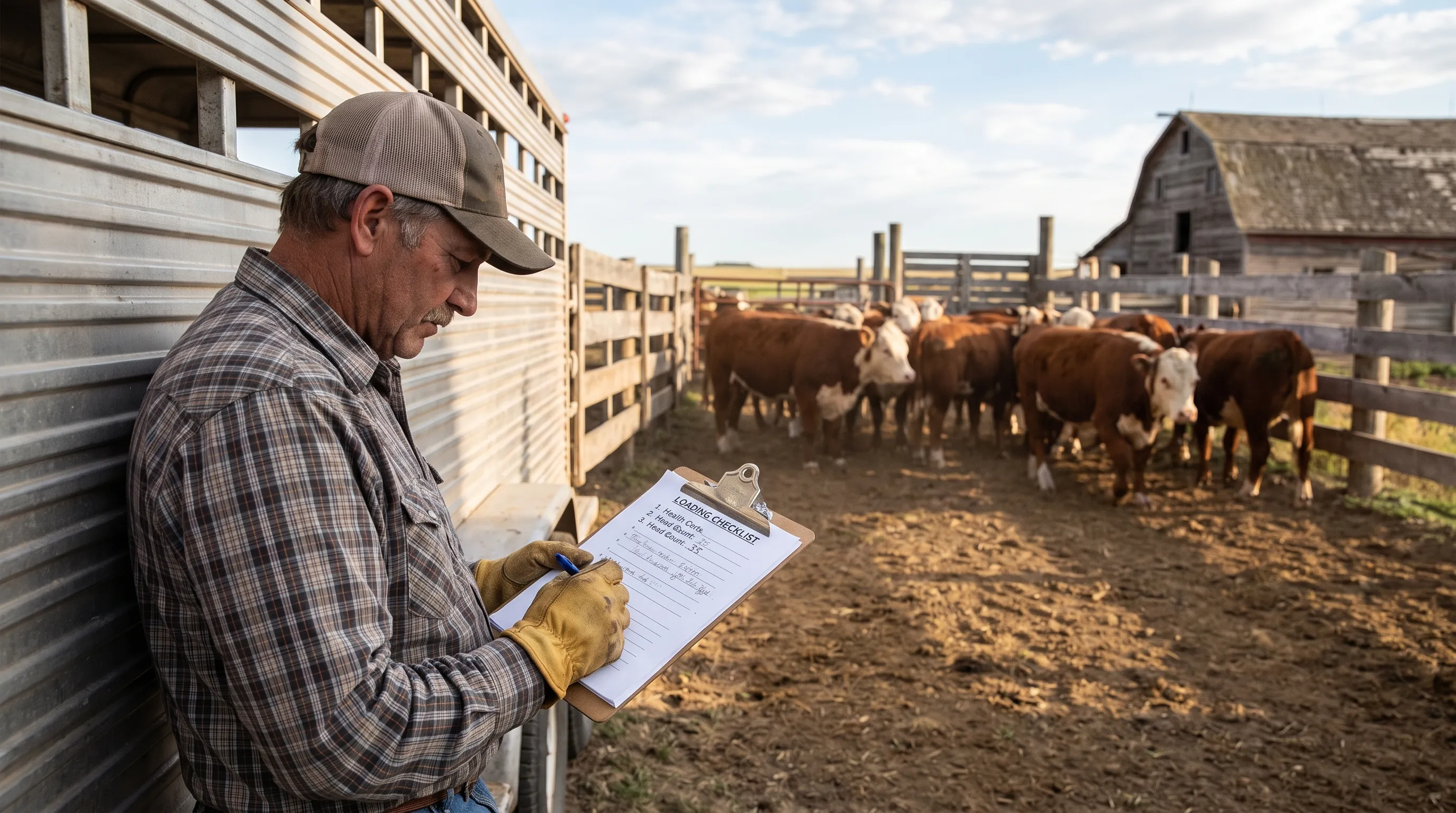
Communication can make or break a livestock haul. A shipper may need to explain pen access, chute condition, animal temperament, pickup timing, health documents, brand paperwork, or destination instructions. The more layers between the hauler and the person who knows those details, the more room there is for mistakes.
That does not mean every brokered load is bad. It does mean you should know whether the board connects you directly with the shipper or routes you through a middleman. Direct contact is especially valuable when a load involves horses, mixed cattle, tight delivery windows, remote ranch pickups, or weather-sensitive timing.
When comparing platforms, look at how contact works in practice. Can you call or message the shipper after finding a load? Are details hidden until after sign-up or payment? Does the board encourage a direct conversation about equipment and animal needs? These questions matter more in livestock than in many other freight categories.
That said, livestock hauling is not the same as oversized machinery or project cargo. If you also evaluate equipment moves, permits, escorts and specialized trailers, use a separate framework like this guide to evaluating heavy haul trucking companies for oversized cargo instead of applying livestock-board criteria to heavy haul work.
Evaluate Compliance and Animal Welfare Details
The most useful load boards for livestock help you spot compliance and welfare questions early enough to handle them before the truck is rolling. They do not replace your responsibility as the hauler, but they can make the right questions easier to ask.
For cattle, that may include loading conditions, head count, expected weights, route timing, animal condition and receiver requirements. For horses, it may include current Coggins, certificates of veterinary inspection, stall or compartment needs and calm handling at pickup and delivery. Rules can vary by state, species and situation, so vague posts create risk.
Hours of service also deserve attention. Agricultural exemptions can affect how a trip is planned, but they are not a free pass to ignore safety or documentation. If your lanes rely on ag exemptions, keep a plain-English reference handy, such as Livestock Way’s article on the 150-air-mile ag HOS exemption, then confirm how it applies to the trip in front of you.
A board that supports better planning should make it easy to ask about the details that affect the animals, not just the truck.
Test the Workflow Before You Depend on It
Before you judge load boards for livestock by reputation alone, test the workflow as if you were booking a real load. Browse the board at the time of day you normally search, use your actual lane and trailer type, then track how many suitable loads you find.
Do not stop at the first load that looks decent. Compare how quickly you can answer the practical questions: What is the rate? Where is pickup? Where is delivery? What species and load size? What trailer is expected? Who do I contact? What happens if I need help from the platform?
If a board requires sign-up before showing even basic load value, decide whether the tradeoff is worth it. Some haulers are fine with registration if load quality is strong. Others prefer to browse freely first. Neither approach is automatically wrong, but the board should match how you run your business.
Support is part of the workflow too. Livestock hauls often happen outside office hours, and questions do not always wait until Monday morning. If a platform offers human support, test how easy it is to reach a real person when something is unclear.
Red Flags When Comparing Boards
Some warning signs show up fast once you know what to look for. The strongest load boards for livestock reduce uncertainty, while weaker boards often push you to call on thin information or sort through unrelated freight.
Watch for these red flags:
Rates are hidden on most loads, making every lead a blind call.
Loads are mixed with general freight and hard to filter by species or trailer.
Pickup and delivery areas are too vague to estimate deadhead.
The board does not show whether the contact is the shipper or a middleman.
Posts lack timing, animal type, quantity, or equipment expectations.
The platform feels built for brokers rather than working livestock haulers.
One red flag may not rule out a board, but several together usually mean more time spent sorting and less time hauling.
Build a Simple Comparison Matrix
A comparison matrix keeps the decision practical. Instead of asking which board is “best,” ask which one performs best for your lane, rig and preferred way of doing business. Score each category from 1 to 5 after a week of real browsing.
Category | 1 means | 5 means |
|---|---|---|
Lane fit | Few loads near your route | Regular loads in your operating area |
Rate visibility | Rates usually hidden | Rates shown upfront |
Rig matching | Hard to tell trailer fit | Loads clearly match trailer type |
Species clarity | Livestock details vague | Cattle, horses and other details are clear |
Contact quality | Unclear or layered contact | Direct, useful shipper communication |
Time saved | Lots of sorting and guessing | Fast decisions on good-fit loads |
This kind of scoring also helps you avoid being swayed by one unusually good load. A board should be judged by repeat usefulness, not a single lucky post.
Where Livestock Way Fits
For haulers focused on cattle and horse loads across the Southern Plains, Livestock Way is built around the comparison points that matter most: livestock-only posts, upfront rates, rig-fit matching, direct shipper contact, free load browsing and no broker in the middle. Shippers can post loads for free, and haulers can look for work without sorting through general freight that does not belong in a stock trailer.
If you are comparing load boards for livestock right now, use the same checklist on any platform you consider. Then compare it against the work you actually want: your lane, your trailer, your comfort with cattle or horses and the rate you need to keep the truck profitable.
You can start by browsing Livestock Way and seeing whether the posted loads fit your rig and route before you spend time chasing calls that were never a match.
Frequently Asked Questions
What makes a livestock load board different from a general freight board? A livestock load board is built around live-animal hauling needs, such as species, trailer fit, pickup conditions, timing, paperwork and direct communication. General freight boards may have more total posts, but many will not apply to cattle or horse haulers.
Should I choose the board with the most loads? Not automatically. A smaller board with better lane fit, upfront rates and livestock-specific details can be more useful than a large board filled with freight that does not match your trailer or operating area.
Why do upfront rates matter so much? Upfront rates help you decide quickly whether a load is worth a call. Without the rate, you cannot compare the load against deadhead, fuel, time, washout needs and your target margin.
Is direct shipper contact important for livestock hauling? Yes. Direct contact helps clarify animal condition, loading setup, paperwork, timing and special handling needs. Those details can be hard to manage if too many people sit between the shipper and the hauler.
How often should I compare load boards? Recheck your options whenever your lanes, trailer, costs, or preferred livestock type change. A board that fit last season may not be the best fit after fuel costs shift or your regular route changes.