Now live across the Southern Plains — Amarillo · OKC · Fort Worth, and growing lane by lane


Load Board
How a Cattle Hauling Load Board Supports Better Backhauls
10 minutes read
Livestock Way
A cattle hauling load board can help turn an empty return trip into paid work, but finding a load is only the first step. The better backhaul is the one that fits your trailer, leaves enough time after the outbound delivery and improves the economics of the whole trip. A posted rate alone cannot tell you that.
For haulers working between Amarillo, Oklahoma City and Fort Worth, return-load planning starts before the first shipment leaves the yard. Here is how to use available loads to make a better booking decision without letting a promising return rate create an expensive scheduling problem.
What makes a backhaul worth taking?
A backhaul is a shipment carried on the return portion of a trip. It does not have to finish at your home yard, but its delivery location should make sense for where you need to go next.
A useful backhaul improves your position compared with returning empty. That means accounting for the drive to pickup, the loaded leg, trailer preparation and any remaining drive after delivery. It also means protecting your next commitment.
Consider an outbound delivery near Oklahoma City followed by a return toward Amarillo. A pickup along that general route may work well. A higher-paying shipment that sends you farther east could leave you with more unpaid miles afterward and less time for tomorrow’s load.
Evaluate the return shipment as part of the complete trip, not as an isolated opportunity. The objective is better contribution after relevant costs, not simply another loaded leg.
Plan the return with a cattle hauling load board
Start reviewing return options once you know the outbound destination and likely unloading window. Waiting until the trailer is empty can leave you choosing between whatever is available rather than what fits.
Record your expected empty location, earliest realistic pickup time and preferred return direction. Then compare listings against those three facts. Use a range for your availability if unloading time is uncertain.
Livestock Way shows upfront rates, matches loads to the right rig and connects haulers directly with shippers. Those details help you identify a possible return shipment before spending time confirming the full movement. They do not guarantee that a compatible load will be available on a particular day.
Separate workable loads from attractive-looking rates
Screen for hard constraints before negotiating. Confirm cattle type, head count, estimated weight, trailer requirements and pickup and delivery locations. Then check whether both facilities can accommodate your equipment.
Timing deserves the same attention as trailer fit. A pickup that starts shortly after your outbound appointment may be unrealistic once unloading, travel and required cleaning are included.
A cattle hauling load board is most useful when you treat its listings as candidates to verify, not promises that every return shipment will fit your schedule. Ask the shipper what flexibility actually exists. “Sometime that afternoon” needs to become an agreed window before you commit.
Keep a second option in mind, including returning empty. Having an alternative makes it easier to decline a load that creates more risk than value.
Compare the backhaul with the empty-return alternative
The relevant question is not just how much the backhaul pays. It is how much better or worse you will be by accepting it instead of taking your planned empty route.
The following example uses hypothetical figures, not market rates. Assume an empty return of 300 miles and a mileage-related operating cost of $1.80 per mile. The proposed backhaul requires 60 miles to pickup, 240 loaded miles and 40 miles home afterward.
Return-trip item | Return empty | Take the backhaul |
|---|---|---|
Total miles after outbound delivery | 300 | 340 |
Mileage-related cost at $1.80 per mile | $540 | $612 |
Additional trailer preparation charge | $0 | $80 |
Return-load revenue | $0 | $800 |
Revenue minus the listed costs | -$540 | $108 |
Under these assumptions, the backhaul improves the return-trip result by $648: $800 in revenue minus $152 in additional costs compared with returning empty.
That $648 is not total trip profit. It excludes any additional time-based driver pay, fixed overhead, taxes or unplanned expenses. The outbound shipment still needs its own accounting.
When comparing offers on a cattle hauling load board, calculate this difference before deciding that the largest posted rate is the best return opportunity.
Put a value on the extra time
Mileage is only part of the decision. An extra pickup, washout stop or unloading delay can consume hours without adding many miles.
Add compensation and other costs attributable to that extra time. If the backhaul would cause you to miss another confirmed shipment, include that consequence in the comparison rather than treating it as a separate problem.
Also confirm how the rate is calculated. A flat amount, per-head rate and per-loaded-mile rate are not interchangeable. Establish which charges are included, how any waiting time is handled and when payment is due. Do not assume an accessorial charge will be paid unless it has been agreed.
Confirm cattle-ready equipment and trailer readiness
Rig fit is more specific than having enough nominal payload capacity. Cattle class, estimated weight, usable trailer space, compartment arrangement and facility access all affect whether the movement is appropriate.
A cattle hauling load board can help narrow the equipment match, but the hauler and shipper still need to confirm the actual load details. A listing that says “cattle trailer needed” leaves important questions unanswered.
Keep equipment categories separate
If your return-load search expands into general freight or equipment listings, do not treat all trailers with similar capacity descriptions as substitutes. For example, a 2-axle 10-ton car hauling utility trailer is listed for vehicle hauling, not as a cattle transport trailer. Its stated capacity does not establish suitability for live animals.
For a cattle backhaul, confirm livestock-appropriate containment, footing, ventilation and loading arrangements. If the shipment does not fit the equipment you actually have, it is not a workable return load regardless of the rate.
Allow time for cleaning between shipments
A trailer that has just unloaded is not necessarily ready for its next group of cattle. Ask about the receiving shipper’s cleaning and biosecurity requirements, then identify a suitable washout location and its operating hours.
Include travel to that facility, cleaning time and any required disinfection or drying in your availability estimate. Requirements may differ by operation and animal-health circumstances, so follow the applicable shipper, veterinary and product-label instructions rather than assuming a quick rinse is sufficient.
Livestock Way’s overview of BQAT considerations for cattle haulers offers useful background on transport responsibilities. Animal care should remain a booking condition, not something squeezed into the gap between appointments.
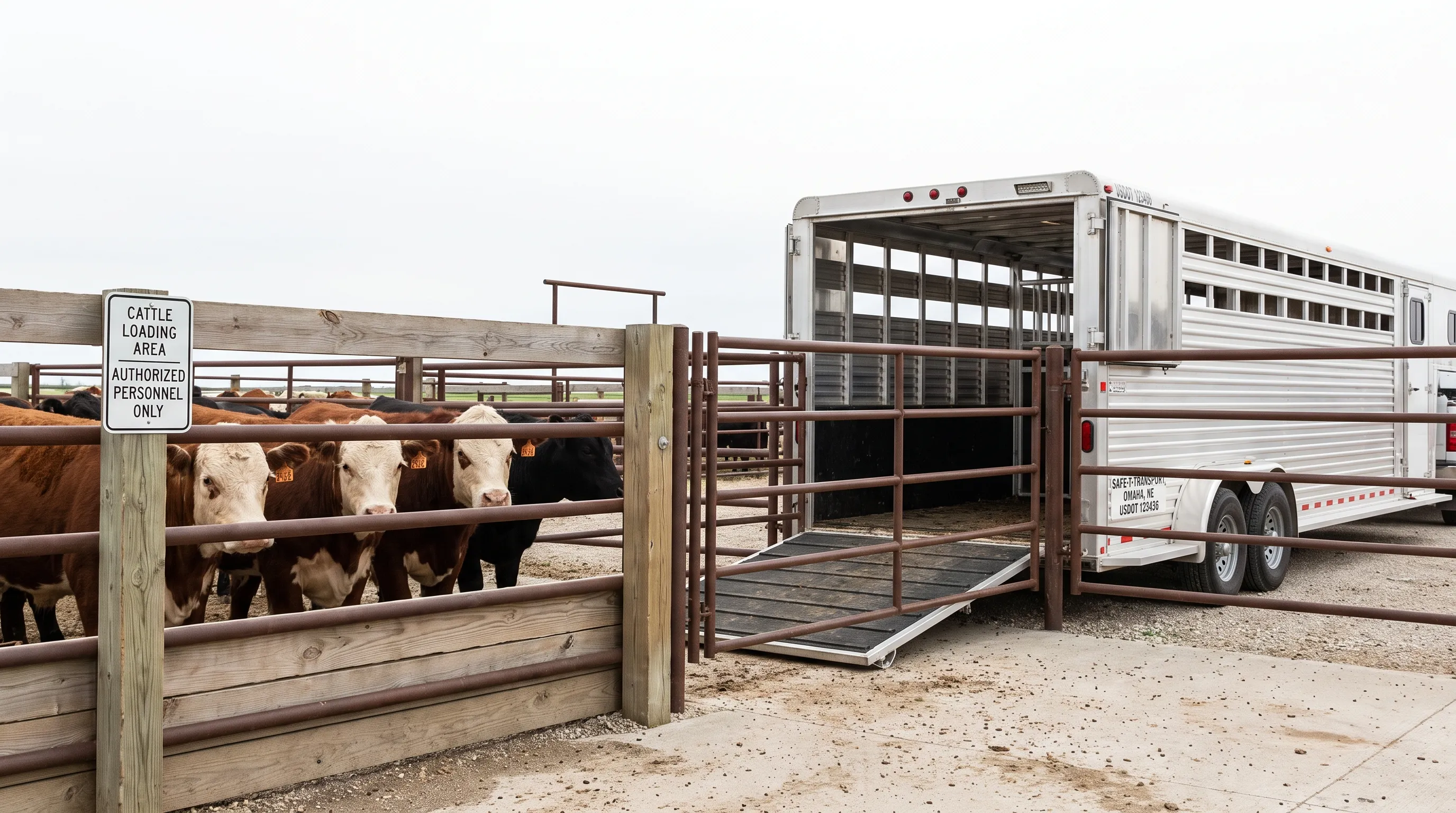
Coordinate the outbound delivery and return pickup
A return booking depends on what happens at the end of the outbound haul. Share a realistic availability estimate with the return shipper, including the work needed between unloading and reloading.
Before confirming, establish these details:
Pickup window: The agreed time range, the on-site contact and what happens if the outbound unload runs late.
Delivery arrangements: Receiving hours, unloading access and the person authorized to accept the cattle.
Shipment requirements: Animal details, trailer fit, cleaning expectations and required movement documents.
Commercial terms: Rate basis, agreed additional charges, payment timing and cancellation arrangements.
A cattle hauling load board creates the connection; direct communication makes the two appointments workable. Keep the agreed details in writing so neither side has to rely on a remembered phone conversation.
Check applicable hours-of-service rules and available driving time before accepting. Do not assume an agricultural exemption makes a tight schedule feasible. If a delay changes your availability, notify the return shipper promptly and reassess the booking instead of trying to recover time through rushed handling or unsafe driving.
Turn successful backhauls into repeatable lane relationships
One successful return shipment can reveal a useful lane pairing. After delivery, record the actual miles, time, preparation expense and payment outcome alongside your original estimate.
That comparison shows whether the load was genuinely worthwhile. It also identifies conditions that made it work: a flexible pickup window, efficient unloading or a destination close to your next departure point.
Ask the shipper whether similar movements recur and how much notice they usually have. Share the equipment you run and the days you are commonly available in that area. Avoid promising capacity you cannot reliably provide.
Over time, a cattle hauling load board can support these repeat relationships while still giving you alternatives when schedules change. Livestock Way’s guide to building better hauling lanes through a livestock network explores that relationship-building side of route planning.
The goal is not to depend on one return customer. It is to develop several workable options around the outbound lanes you already serve.
Frequently Asked Questions
Should I accept a lower rate for a backhaul? Sometimes, but only after comparing it with your empty-return alternative. A lower-paying load close to your route may contribute more than a higher-paying load with a long detour. Include added time, preparation and the effect on your next booking.
How early should I look for a return load? Start once the outbound destination and expected unloading window are known. Confirm the return booking only when you have enough information to make a realistic pickup commitment. Recheck availability if the outbound schedule changes.
Does a cattle hauling load board guarantee a backhaul? No. It helps you find and evaluate posted opportunities, but availability depends on location, timing, equipment and shipper requirements. Keep an empty-return plan in case no suitable shipment is available.
What should I confirm about cattle movement paperwork? Ask which documents and identification are required for the specific animals, origin and destination. Requirements can vary by state and movement type. Resolve questions with the shipper and appropriate animal-health authority before pickup.
Find a return load that fits the whole trip
Start with your empty-return route, establish your real availability and compare each offer against that baseline. Then confirm equipment, animal-care requirements and commercial terms before booking.
On Livestock Way, you can browse livestock loads for free, see upfront rates and contact shippers directly across the Southern Plains. Use those details to shortlist a return shipment that fits your rig and schedule, not just one that puts revenue on the return leg.