Now live across the Southern Plains — Amarillo · OKC · Fort Worth, and growing lane by lane


Load Board
What to Look for in a Cattle Load Board
5 minutes read
Livestock Way
If you haul cattle, a cattle load board is not just a place to grab the next job. It can decide whether a run protects your margin, fits your trailer, keeps cattle moving cleanly and puts you in contact with the person who actually controls the load. The wrong board can send you chasing vague postings, hidden rates or freight-style loads that do not match livestock realities.
For haulers, the goal is simple: find work that fits your rig, your route and your time. For shippers, it is finding a qualified livestock transporter without turning every load into a phone-tree project. Here is what to look for before you trust any board with your next cattle move.
Why a cattle load board has to be livestock specific
Cattle hauling is not dry van freight with hooves. Load details affect animal welfare, shrink, timing, trailer setup, biosecurity and the driver’s day. A pickup window that looks easy on paper can become expensive if the cattle are not penned, paperwork is not ready or the unloading location cannot handle your trailer.
A general freight board may list origin, destination and a rate, then leave everything else for the hauler to discover later. That is not enough for livestock. You need to know what is moving, how it needs to ride, what kind of trailer works, who you are calling and whether the schedule makes sense with weather, sale barn hours, rest stops and washout needs.
A cattle load board worth using should be built around those details from the start. If the platform treats cattle loads like generic freight, you will spend more time qualifying posts than hauling profitable runs.
Start with transparent rates, then run your own math
Upfront rates are one of the first things to check. If a board hides the rate until you call, it forces you to waste time on loads that may never fit your numbers. A visible rate does not guarantee profit, but it lets you decide quickly whether the job is even worth evaluating.
Still, the posted rate is only the beginning. Good haulers look at all miles, not just loaded miles. Deadhead to pickup, empty miles after delivery, washout, fuel, tolls, insurance, labor time and delays all affect the actual return. If you want a deeper breakdown of pricing methods, Livestock Way’s guide on how livestock hauling rates actually work is a useful companion before you compare loads.
A strong cattle load board gives you enough rate visibility to do that math before you commit. You should be able to ask, at a glance, whether the load covers the whole movement or only looks good because the posted miles ignore the deadhead.
Match loads to the rig, not the other way around
The best load is not always the highest posted rate. It is the load that fits your trailer, your handling experience and your equipment. A mismatch can create delays, safety issues or a refused pickup.
For cattle, rig fit can involve more than trailer length. Deck height, compartments, gate setup, ventilation, flooring, bedding needs and the type of cattle all matter. A pot, ground load, stock trailer or smaller gooseneck may each be right for different jobs. If a board does not help you sort loads by equipment fit, you are left guessing.
A useful cattle load board should make it easy to avoid loads that do not belong on your trailer. That protects the cattle, the shipper and your reputation.
What to check | Why it matters | Warning sign |
|---|---|---|
Rate shown upfront | Lets you screen loads before calling | Rate only disclosed after several messages |
Origin and destination clarity | Helps calculate all miles and timing | Vague town names or no exact pickup context |
Trailer fit | Reduces rejected loads and unsafe setups | Post says any trailer without livestock details |
Pickup and delivery window | Determines whether the schedule is realistic | ASAP with no contact confirmation |
Direct contact | Speeds up questions and changes | Multiple middlemen before the shipper |
Paperwork notes | Prevents delays at pickup or state lines | No mention of health documents when needed |
Support availability | Helps when plans change on the road | No way to reach a human when a load issue comes up |
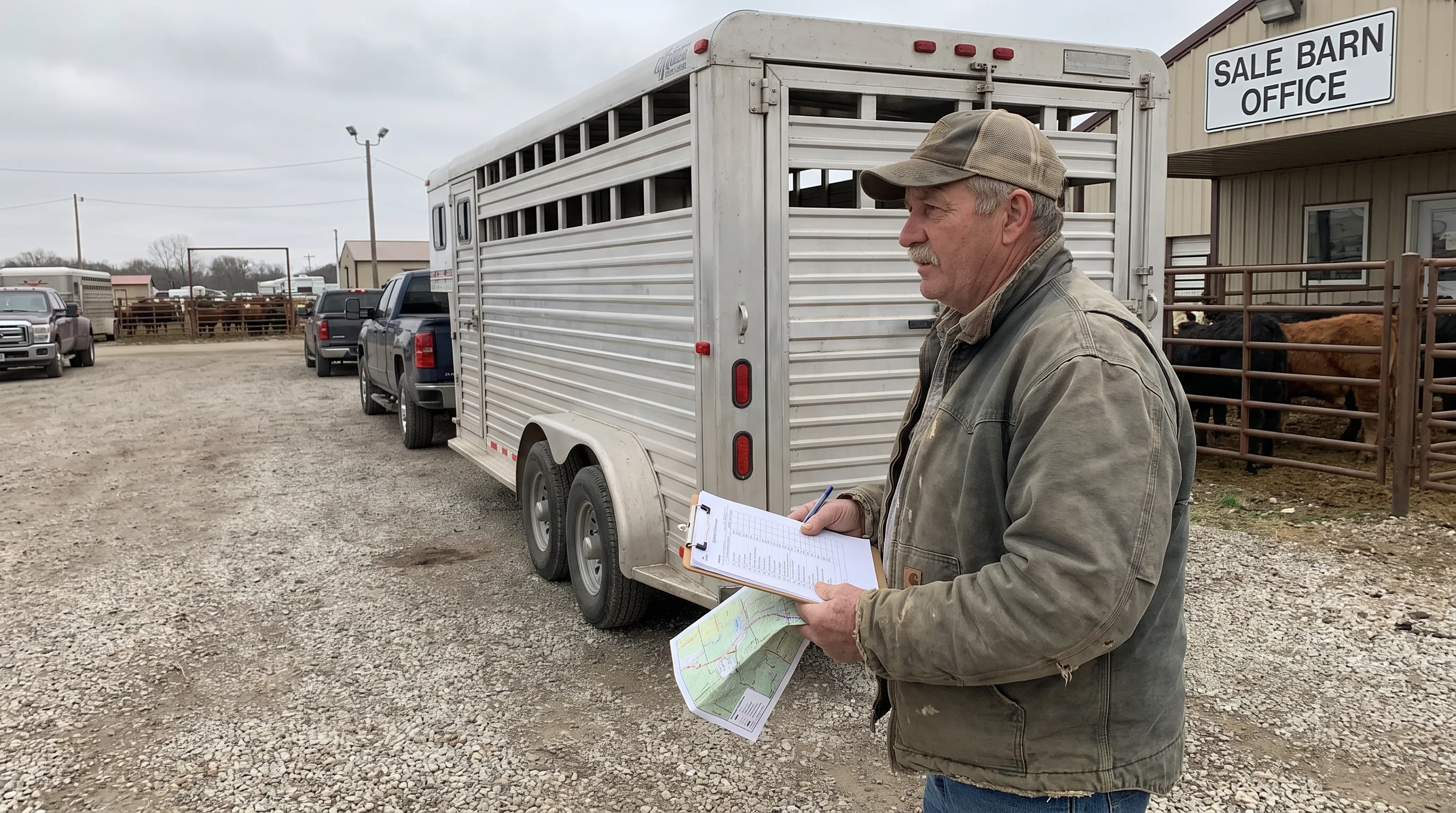
Look for direct communication and enough load detail
Direct contact matters in livestock hauling because details change fast. Weather shifts. Cattle may not be ready. A shipper may need a different pickup time. A gate code, pen number or loading chute detail can decide whether you lose 20 minutes or half a day.
A board that keeps a broker or vague contact layer in the middle can slow down decisions. That does not mean every middleman is bad, but it does mean the board should make the chain of communication clear. You should know who posted the load, who can approve changes and who answers if the load is not as described.
Online listing discipline matters in rural markets. Guides for Texas renters often recommend that people verify addresses, contacts and payment terms before sending money or committing, and the same habit applies to cattle loads. Confirm the pickup location, contact name, rate, payment terms and load description before you burn fuel toward the job.
A cattle load board should reduce uncertainty, not create a new round of detective work. If a posting is short on basics, treat that as a reason to ask questions before accepting.
Check route quality, not just posted miles
A short haul can be a bad haul if it strands you empty. A longer haul can be profitable if it puts you near your next pickup, your regular lane or a market where cattle freight is active. That is why route context belongs in your decision.
Look at where the load begins, where it ends and what usually happens next. A haul from a strong cattle area into a dead zone needs a higher rate or a plan for the empty miles. A load that keeps you inside a familiar corridor may pay less on paper but work better after fuel, time and repositioning are included.
A cattle load board that lets you browse by area, route fit or equipment needs helps you build better weeks, not just better single loads. This is especially useful across the Southern Plains, where a day can involve sale barns, ranch pickups, feedlot deliveries and long stretches between good backhaul opportunities.
Evaluate trust, support and livestock know-how
The board itself should understand the market it serves. Livestock haulers do not need a platform full of unrelated freight, hidden numbers or one-size-fits-all categories. They need cattle and horse loads, clear information and help when something goes sideways.
Trust also comes from practical guardrails. Does the platform make it easy to see the rate? Does it give enough detail to judge fit? Can you reach a real person if a posting looks wrong or a trip changes? Does the board feel like it was built by people who know that livestock hauling has consequences beyond pickup and delivery times?
Before you leave for any job, use a consistent confirmation routine. Details like load count, animal condition, paperwork, contact names and payment terms are worth checking every time, and this pre-pickup checklist for livestock transporters covers the main items to verify.
What shippers should look for, too
A cattle load board is not only a hauler tool. Shippers also need a place to post accurate loads and reach transporters who are set up for livestock. The more specific the post, the better the responses will be.
Shippers should include enough detail for a qualified hauler to decide quickly. That usually means origin, destination, cattle type, timing, approximate weight or head count when appropriate, trailer needs, loading conditions and any known paperwork requirements. If the rate is included upfront, the post will also filter out calls from haulers who cannot make the numbers work.
Good load information protects both sides. It helps haulers avoid poor-fit jobs and helps shippers avoid wasted conversations with rigs that cannot handle the move.
Signs a board may cost more than it saves
Some boards look busy but still waste your time. Volume is not helpful if most posts are vague, stale or irrelevant to your trailer. A smaller board with better-fit livestock loads can be more useful than a huge freight board where cattle work is buried under equipment categories that do not apply.
Watch for these red flags:
No rate shown until after a call or message chain
Too many non-livestock loads mixed into cattle searches
Posts with unclear origin, destination or pickup timing
No practical way to contact the shipper directly
Loads that do not identify trailer fit or handling needs
Repeated stale listings that are no longer available
No human support when a listing or trip problem needs attention
If a cattle load board creates more uncertainty than it removes, it is not helping your business. The platform should make it faster to find qualified loads, compare the real numbers and move on from work that does not fit.
How Livestock Way fits this checklist
Livestock Way is built for livestock haulers and shippers, with cattle and horse loads across the Southern Plains. The platform focuses on upfront load rates, rig-fit load matching and direct shipper contact without a broker in the middle. Haulers can browse loads for free, shippers can post loads for free and the site also includes tools such as rate and shrink calculators.
That combination matters because most hauling decisions are made under time pressure. If you can see the rate, check whether the load fits your rig and contact the shipper directly, you can make a cleaner yes or no decision. For a working hauler, that saves phone calls. For a shipper, it improves the odds of reaching someone who can actually move the cattle.
Frequently Asked Questions
What makes a good cattle load board? A good board shows rates upfront, includes livestock-specific load details, helps match loads to the right trailer, supports direct shipper contact and makes it easy to avoid stale or poor-fit postings.
Should I use a general freight board for cattle loads? You can sometimes find cattle work on general freight boards, but they often lack livestock-specific details. For regular cattle hauling, a livestock-focused platform usually saves time and reduces mismatch risk.
Why are upfront rates so important? Upfront rates let haulers screen loads before calling. They also help shippers reach haulers who are already comfortable with the numbers, which cuts down on wasted conversations.
What should I confirm before accepting a cattle load? Confirm pickup and delivery locations, timing, rate, payment terms, cattle details, trailer fit, loading conditions, paperwork requirements and the name of the person who can approve changes.
Find cattle loads that fit before you roll
If you want a cattle load board that keeps the work focused on livestock, start with the basics: visible rates, rig fit, direct communication and enough detail to protect your time. You can browse cattle and horse loads, post livestock loads and use free hauling tools at Livestock Way.